Introduction
In today's hectic world, ensuring the safety and security and health of children in academic setups is paramount. The HLTAID012 accreditation, which focuses on providing first aid in education, equips instructors with important skills to manage emergency situations successfully. This short article digs deep into the myriad elements of the HLTAID012 certification and its importance for child care experts. From understanding choking avoidance to event reporting procedures, we'll discover how this accreditation can construct educator confidence and enhance kid safety.

HLTAID012 Qualification: Necessary Abilities for Educators in Child Care Settings
The HLTAID012 accreditation, referred to as "Provide Emergency Treatment in Education," is created particularly for teachers operating in child care environments. It includes an extensive range of subjects targeted at ensuring that teachers are well-prepared to react to numerous medical emergency situations.
Understanding the Significance of HLTAID012 Certification
Educators play a vital function in shaping young minds and ensuring their physical security. The HLTAID012 qualification serves as a foundation for recognizing important emergency treatment principles appropriate to kids, consequently minimizing prospective dangers in child care settings.
Key Parts of the HLTAID012 Course
Basic Emergency treatment Principles- Understanding the main objectives of initial aid. Recognizing when expert medical aid is needed.
- How to recognize choking hazards. Techniques for preventing choking incidents among children.
- Understanding allergic reactions and anaphylaxis. Step-by-step assistance on administering an Epipen correctly.
- Best methods for dealing with cuts, scrapes, and bruises. When to seek more clinical attention.
- Importance of hand hygiene in stopping illness. Techniques for efficient handwashing.
- Introduction to CPR and AED use tailored for children. Recognizing cardiac arrest signs in more youthful populations.
- Strategies to improve self-assurance in emergency situations. The emotional element of responding efficiently under stress.
- Identifying bronchial asthma triggers and signs in children. Emergency protocols for bronchial asthma attacks.
- Common injuries associated with playground activities. Preventative procedures and first aid responses.
Childproofing Techniques
- Guidelines for developing a safe setting for children. Effective methods for decreasing hazards.
Incident Coverage Protocols
- Importance of documenting cases accurately. Steps associated with appropriate incident reporting within childcare settings.
Immediate Reaction Responsibilities
- Roles educators should satisfy during an emergency situation situation. Effective interaction with moms and dads and authorities.
Written vs Practical Elements of the Course
- Overview of theoretical understanding versus hands-on abilities training. Importance of both components in grasping emergency treatment techniques.
Renewal Timelines
- How often should one restore their HLTAID012 certification? The procedure associated with recertification.
HLTAID012 Qualification Australia Overview
- Government regulations surrounding first aid certifications. Resources available for instructors seeking accreditation in Australia.
Benefits of Completing the HLTAID012 Certification
Completing the HLTAID012 training course not just gives educators with critical abilities yet also ensures comfort when taking care of youngsters:
- Enhances kids's safety by preparing educators for emergencies Builds count on with parents that want assurance that their kids are safe Creates an aggressive technique towards carcinogen usual in childcare
Statistics on Youth Injuries
To illustrate the value of having educated experts, take into consideration these stats:
- According to Safe Children Worldwide, over 2 million children browse through emergency clinic yearly due to unintentional injuries. Playground injuries make up virtually 45% of all accidents taking place at institutions or day care facilities.
By furnishing teachers with expertise from the HLTAID012 accreditation program, these statistics can be substantially lowered through preventative steps and quick reactions to events when they occur.
Detailed Malfunction: Important Skills Covered Under HLTAID012 Certification
Choking Avoidance Strategies
Understanding Choking Hazards
Choking is one of the leading reasons for emergency situations including young kids, specifically toddlers who have a tendency to place every little thing in their mouths. Comprehending these risks can significantly minimize risk elements existing within first aid courses in albury your setting:
- Small toys or parts (e.g., building blocks) Foods that are hard or round (e.g., grapes, nuts) Improperly cut foods
Techniques For Prevention
Being positive regarding choking avoidance suggests taking useful steps such as:
- Teaching youngsters regarding food safety Supervising mealtimes closely Encouraging older peers to model secure eating behaviors
First Aid Reaction For Choking
In situation a kid does choke:
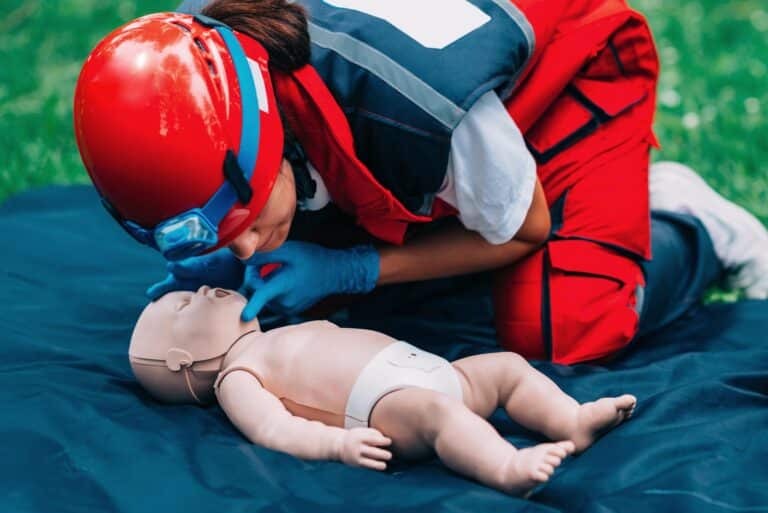
Epipen Management Essentials
What Is An Epipen?
An Epipen is a tool made use of to inject epinephrine throughout severe allergic reactions (anaphylaxis). Correct training guarantees that instructors can react promptly without hesitation during defining moments when every second counts.
Administering an Epipen: Actions To Follow
Identify indications of anaphylaxis: difficulty breathing, swelling around face/throat Remove cap from Epipen Firmly press against external upper leg; hold it there while counting gradually to ten before eliminating it Seek instant clinical assistance after administration albury childcare first aid courseFollowing Up After Administration
Once provided:
- Monitor the child's problem closely while waiting for professional medical assistance Be prepared to provide extra dosages if signs and symptoms do not enhance within minutes
FAQs Concerning HLTAID012 Certification
What is included in the HLTAID012 course content?
The course covers basic emergency treatment concepts including handling wounds, choking prevention methods, acknowledging asthma signs, providing EpiPens, kid defibrillation support, and much more customized specifically towards kids's needs.
How long is the HLTAID012 accreditation valid?
Typically, certifications last for three years prior to requiring renewal; nevertheless, it's essential constantly remain updated as methods may advance with time based on new study findings or guidelines issued by governing bodies like Australian Resuscitation Council (ARC).
Are online courses readily available for getting this certification?
Yes! Several registered training companies use blended knowing options where participants can finish theoretical parts online complied with by sensible analyses held at marked locations-- making it obtainable no matter your timetable constraints!
Is there any ongoing assistance after finishing the course?
Absolutely! Participants typically obtain access materials/resources post-completion along with chances signing up with refresher course sessions regularly if preferred maintaining knowledge up-to-date!
Can I utilize my HLTAID012 certificate internationally?
While identified mostly within Australia; some nations might approve similar qualifications depending on regional guidelines-- constantly check demands ahead travel abroad entailing child care responsibilities!
What are childcare staff first aid demands under Australian law?
According Australian Children's Education and learning & & Care Quality Authority "All education & & care services have to make certain employee hold existing first-aid certificates." This includes completion approved courses such as those straightened with nationwide standards set forth by federal government agencies controling early childhood years education and learning industries across states/territories!
Conclusion
The importance of acquiring the HLTAID012 Accreditation: Important Abilities for Educators in Childcare Settings can not be overemphasized; it encourages instructors not just with lifesaving abilities but likewise constructs self-confidence necessary when dealing with emergencies that might develop unexpectedly within their settings! As we continue prioritizing youngsters's wellbeing through informed practices-- allow us embrace our responsibility completely recognizing that readiness makes all distinction between disaster & & triumph during crises encountered daily throughout our roles caring young lives entrusted us every step method!
With commitment comes modification-- so allow's supporter strongly supporting more education guaranteeing every teacher satisfies necessary first-aid requirements promoting safer nurturing areas where youngsters thrive happily exploring world around them!